

Common Problems Found in Older Algonquin Homes
Algonquin, Illinois, is known as the “Gem of the Fox River Valley” for a reason. With its historic downtown, mature tree-lined streets, and homes filled with unique character, it’s no surprise that many homebuyers are drawn to the older and more established neighborhoods throughout Algonquin.
However, buying an older or historic home in Algonquin comes with its own set of challenges. Beneath the charming crown molding, original hardwood floors, and architectural details, older homes can have problems that aren't always obvious during a typical walk-through.
As a local home inspector in Algonquin, IL, I regularly inspect older homes throughout the area. Here are some of the most common problems I look for—and what prospective homeowners should know before purchasing an older home.
1. Aging or Damaged Roofs
Chicagoland weather can be hard on a home's exterior. Years of freeze-thaw cycles, heavy snowfall, ice dams, strong winds, and summer thunderstorms can take a significant toll on roofing materials.
In older Algonquin homes, it's common to find roofs that are approaching or have exceeded their expected service life.
Common roofing concerns include:
Missing, cracked, curling, or deteriorated shingles
Damaged or improperly installed flashing
Deteriorated chimney flashing
Signs of previous roof leaks
Water staining or moisture damage in the attic
Poor attic ventilation
Multiple layers of older roofing materials
A roof that has reached the end of its useful life can allow water to enter the home and contribute to damage involving the attic, insulation, ceilings, walls, and structural components.
During a home inspection in Algonquin, the roof and readily accessible components are evaluated for visible signs of damage, deterioration, and conditions that may require further attention.
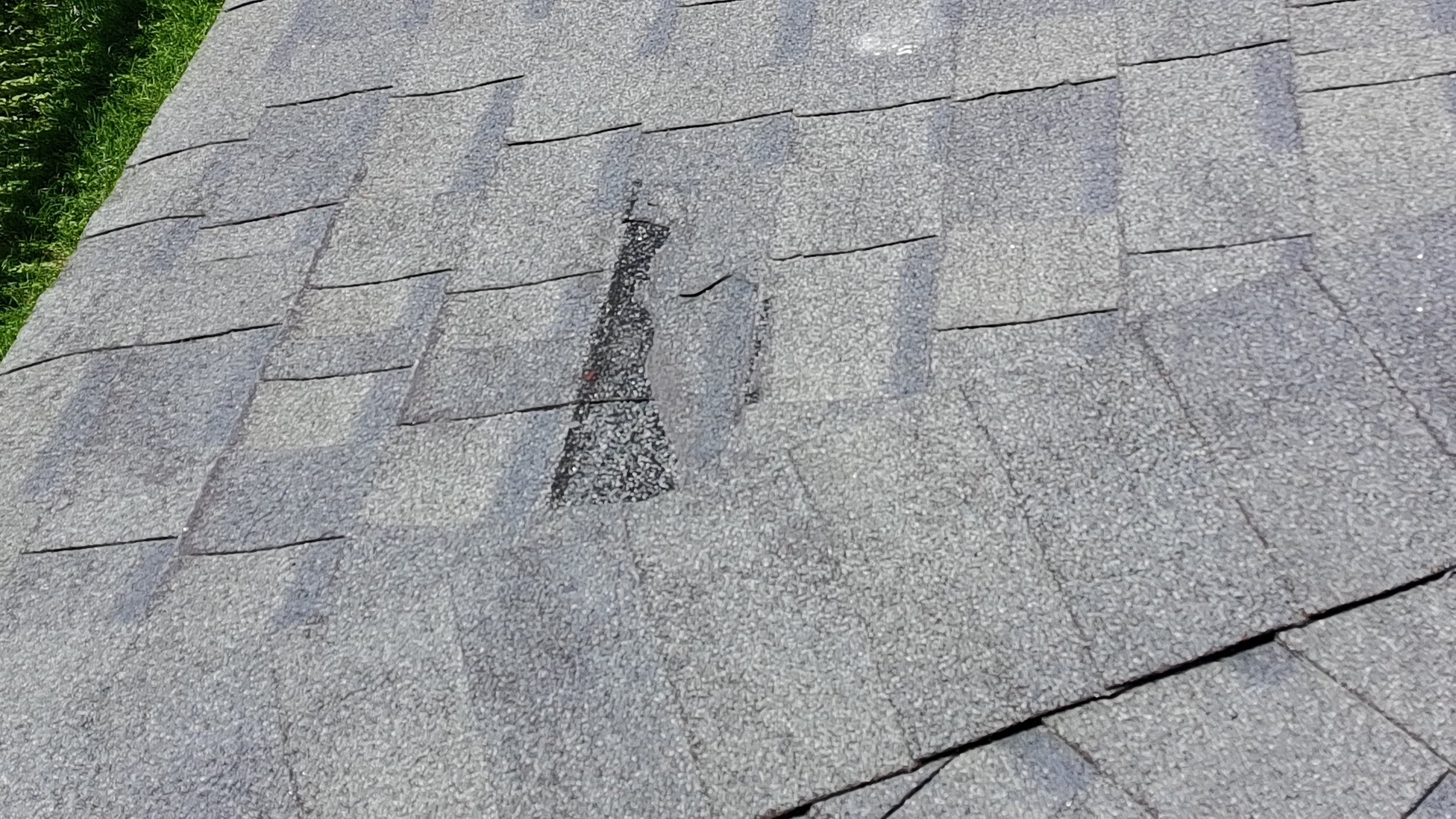
Damaged roof shingles with missing sections and visible deterioration on an older home in Algonquin, Illinois.
2. Foundation Cracks and Moisture Problems
Older homes have had decades to experience normal settlement, seasonal soil movement, and Illinois' repeated freeze-thaw cycles.
During an older home inspection, I look closely at the foundation and basement for conditions that may indicate a more significant concern.
These can include:
Horizontal or stair-step cracks
Significant vertical foundation cracks
Bowed basement walls
Water intrusion
Efflorescence or mineral deposits
Damp or deteriorated masonry
Improper grading around the foundation
Evidence of previous water management problems
Not every foundation crack indicates a structural problem. The size, location, direction, and associated conditions all matter. When a condition appears to require evaluation beyond the scope of a visual home inspection, further assessment by an appropriate professional may be recommended.
3. Aging Plumbing and Sewer Lines
Plumbing is another area where the age of an Algonquin home can make a significant difference.
Older homes may contain galvanized steel, cast-iron, or clay plumbing components that have deteriorated over decades. Galvanized water lines can corrode internally, potentially reducing water pressure and contributing to leaks.
The home's sewer line also deserves attention, particularly in older properties.
Tree roots can enter aging sewer lines through joints, cracks, and damaged sections. Over time, root intrusion and deterioration can contribute to blockages and other sewer problems.
A sewer scope inspection can provide information that a standard home inspection cannot. A specialized camera can be used to examine the inside of the sewer line for conditions such as:
Root intrusion
Damaged or offset joints
Blockages
Bellies or low sections
Cracks
Deteriorated pipe
Other defects within the sewer line
For buyers purchasing an older home, a sewer scope can provide valuable information about an expensive component that is otherwise largely hidden from view.
4. Outdated Electrical Systems
Older homes weren't designed around the electrical demands of today's households.
Modern homes may have numerous appliances, electronics, HVAC equipment, computers, and other electrical loads that simply didn't exist when many older homes were built.
During an Algonquin home inspection, electrical concerns may include:
Ungrounded receptacles
Two-prong outlets
Improperly modified wiring
Older electrical panels
Double-tapped breakers
Missing or improper electrical protection
Evidence of amateur electrical work
Older wiring systems requiring further evaluation
Some historic homes may also contain remnants of knob-and-tube wiring or other older electrical systems.
The presence of an older electrical system doesn't automatically mean the home is unsafe. However, older electrical components should be properly evaluated, and conditions outside the scope of a home inspection may require assessment by a qualified electrician.
5. Inadequate Insulation and Air Leakage
Many older homes were built before modern insulation and energy-efficiency standards were common.
Unless previous owners have upgraded the home, you may find:
Older single-pane windows
Inadequately insulated attics
Uninsulated or poorly insulated wall cavities
Air leaks around windows and doors
Gaps around plumbing and electrical penetrations
Poor attic air sealing
These conditions can contribute to uncomfortable indoor temperatures and increased heating and cooling costs.
Thermal imaging can also be a useful inspection tool. Temperature differences may help identify areas that warrant further investigation, including potential insulation deficiencies, air leakage, moisture, or other conditions.
Don't Let the Character Hide the Problems
Older Algonquin homes can offer something new construction simply can't replicate: character, mature landscaping, established neighborhoods, and craftsmanship from another era.
But age matters.
A beautiful historic or mid-century home may have had decades of repairs, modifications, additions, and maintenance. Some improvements may have been completed properly, while others may require additional attention.
That's why a professional home inspection in Algonquin is an important part of the home-buying process.
A comprehensive inspection can help you better understand the home's current condition and identify significant defects, maintenance concerns, safety issues, and components that may require further evaluation.
At Foundation First Home Inspections, we combine traditional inspection methods with advanced technology, including thermal imaging, drone roof imaging, advanced HVAC diagnostics, and detailed visual reporting.
Buying an Older Home in Algonquin?
Don't let the character and charm of an older home distract you from what's happening behind the walls, above the ceilings, or below the ground.
If you're buying an older, historic, or mid-century home in Algonquin, Illinois, or the surrounding Chicago Northwest suburbs, contact Foundation First Home Inspections to schedule a comprehensive home inspection.
Know what you're buying before you make it your home.