

Buying an Older Home? What a Home Inspection Can Reveal
Older homes have a character that is difficult to reproduce. From historic homes in Elgin and Algonquin to older properties in Richmond, Cary, Crystal Lake, and surrounding communities, these houses often have craftsmanship, materials, and architectural details that give them a personality all their own.
But when you're buying an older home, character should come with a careful inspection.
A house that has been standing for 80, 100, or even 130 years has experienced decades of weather, repairs, renovations, and changes in ownership. Some of those changes may have been done well. Others may have created problems that aren't immediately obvious to a homebuyer.
A recent inspection of an older home in downtown Richmond, Illinois, provided a good example of why paying attention to the details matters.
Sometimes the Problem Is Right Above Your Head
During the inspection, I found deterioration at the roof eave and fascia.
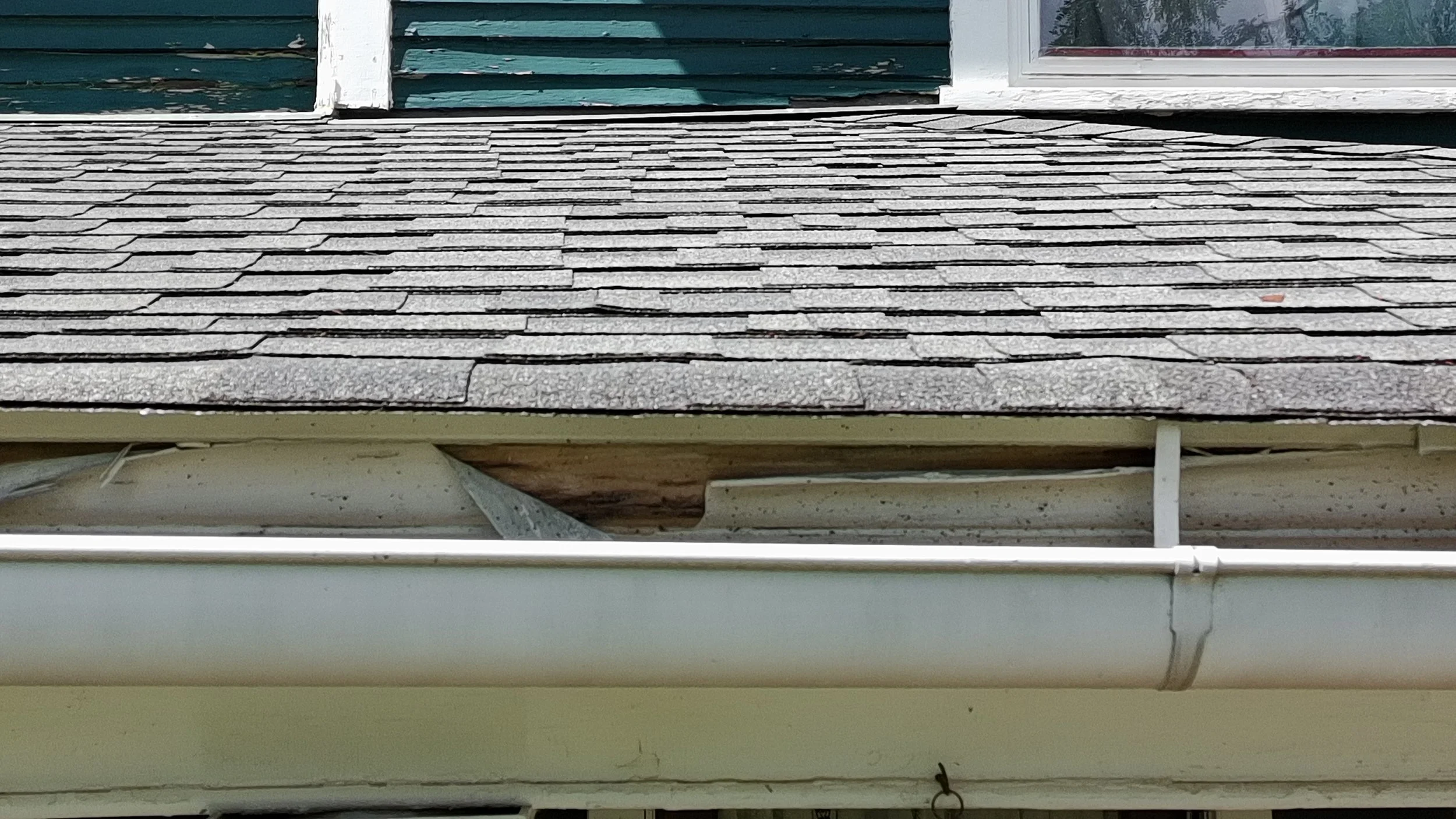
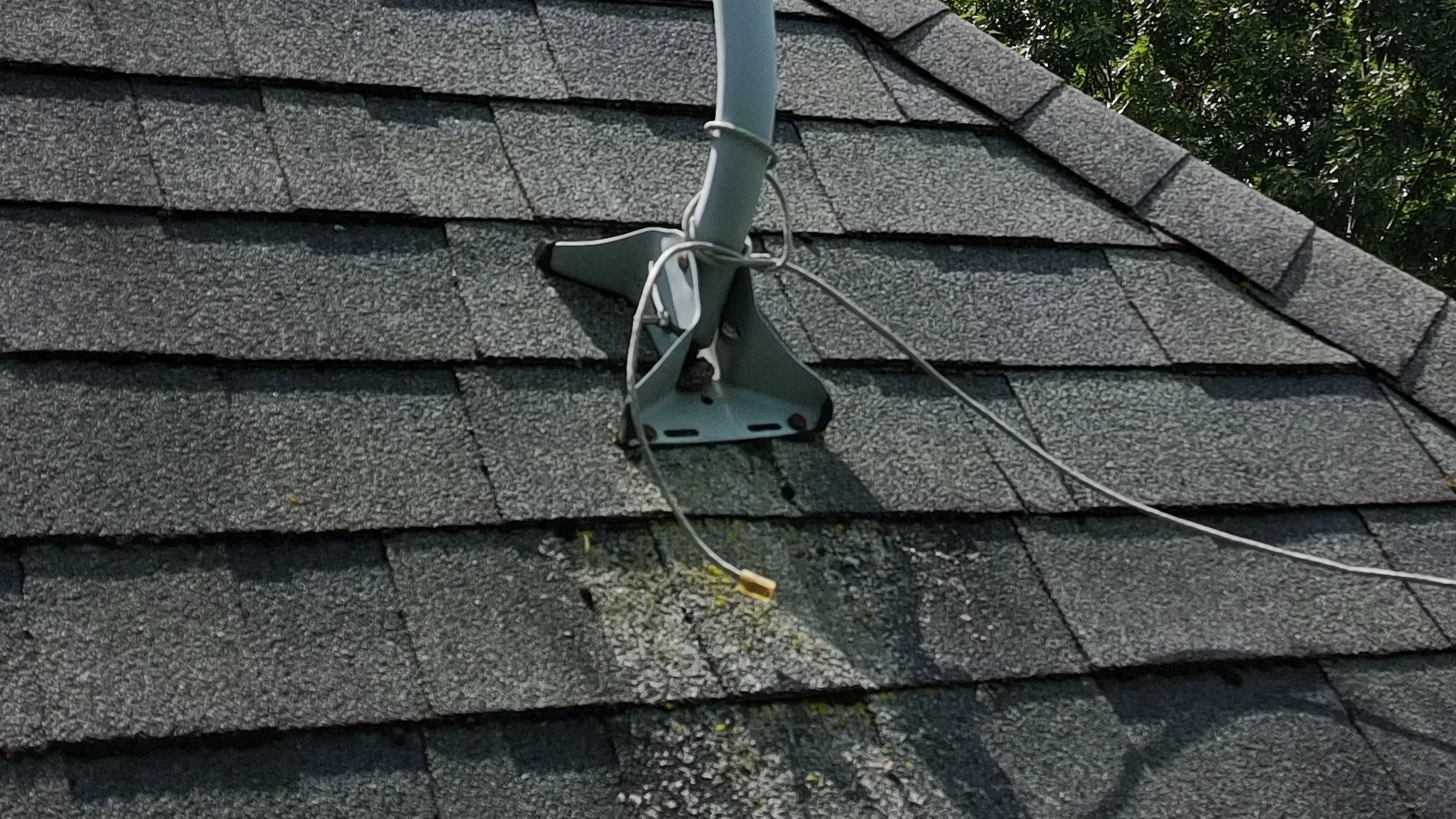
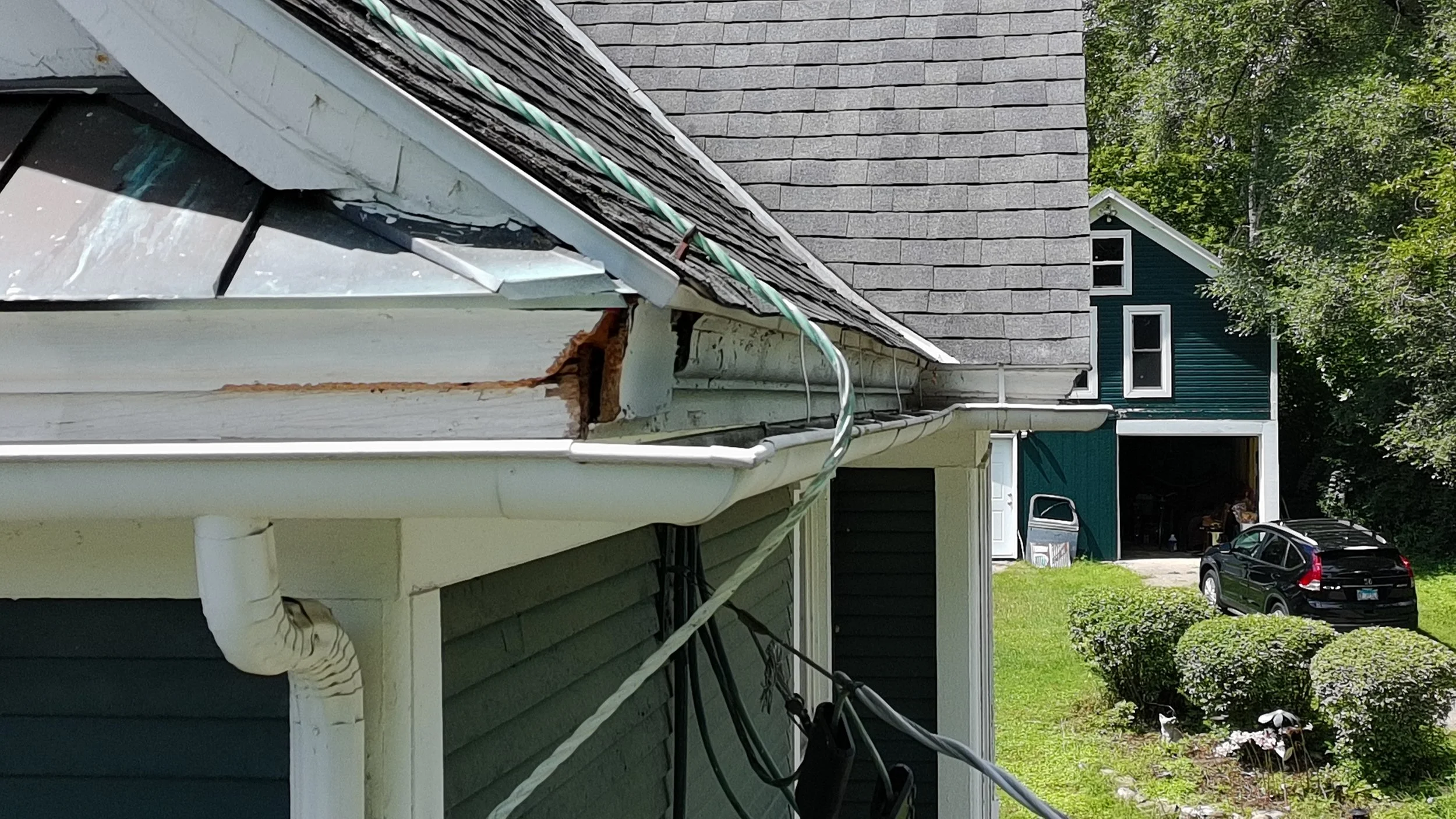
At first glance, an area like this might not seem particularly significant. But the deteriorated exterior material had exposed the wood underneath.
When I see deterioration like this, I don't just look at the damaged piece of trim. I want to understand why it deteriorated in the first place.
Is water getting behind the fascia?
Is the roof properly shedding water?
Could the gutter or downspout be contributing to the problem?
Has moisture been present long enough to damage the underlying wood?
Is the deterioration limited to what is visible, or could there be additional concealed damage?
Those questions are especially important when inspecting an older home.
Small Exterior Defects Can Tell a Bigger Story
The visible damage doesn't necessarily mean there is a major structural problem. Sometimes deteriorated exterior wood is simply the result of years of exposure and deferred maintenance.
But it can also be an indication of a long-term moisture problem.
That's why an inspection should go beyond simply pointing out that "the fascia is damaged."
The important part is identifying the condition, documenting it with photographs, looking for related defects, and helping the buyer understand what may need further evaluation or repair.
Older Homes Require a Different Perspective
An older home isn't necessarily a bad home.
In fact, many older homes are extremely well built and have been maintained for generations.
However, the age of the house provides important context.
Building materials and construction practices have changed significantly over the decades. An older home may contain original components alongside repairs and renovations performed many years later.
You may find several generations of construction materials in the same house.
That's why, when inspecting an older property, I pay particular attention to areas such as:
Roofs and Roof Edges
Roofing materials don't last forever. Older roofs may also have outdated flashing, deteriorated sheathing, damaged fascia, or areas where previous repairs have failed.
The edges of the roof deserve particular attention because they are exposed to weather and are closely connected to the home's drainage system.
Foundations and Masonry
Older homes may have masonry foundations or other construction methods that differ considerably from modern homes.
Cracks, deteriorated mortar, water intrusion, settlement, and previous repairs can all provide important information about the condition of the structure.
Exterior Wood
Fascia, soffits, siding, trim, window surrounds, and other exposed wood components can deteriorate over time—particularly where water is allowed to remain or enter.
What appears to be a small area of rot can sometimes extend beyond what is visible.
Electrical Systems
Older homes may have electrical systems that have been modified repeatedly throughout their lives.
An inspection can identify visible safety concerns, outdated components, improper modifications, grounding issues, and other conditions that warrant attention.
Plumbing
Older plumbing systems may contain materials that have reached the end of their useful service life. Previous remodeling can also result in combinations of old and new plumbing materials.
Leaks, corrosion, improper modifications, and drainage concerns are important considerations when purchasing an older property.
HVAC Systems
Heating and cooling systems can be particularly important in older homes.
Beyond simply determining whether the equipment operates, a thorough inspection should consider the condition of the system, installation, venting, combustion-related concerns, and other observable safety issues.
At Foundation First Home Inspections, I also perform advanced HVAC diagnostics, including combustion analysis on every furnace.
Attics and Moisture
The attic can tell an inspector a great deal about a house.
Roof leaks, inadequate ventilation, moisture accumulation, insulation deficiencies, and evidence of previous repairs may be visible from the attic even when there are no obvious signs inside the living space.
Previous Repairs Deserve Attention Too
One of the unique challenges of an older home is that you're not just inspecting the original construction.
You're inspecting everything that has happened to the house since it was built.
A 100-year-old home may have had:
Multiple roof replacements
Windows replaced at different times
Electrical upgrades
Plumbing modifications
Additions
Basement remodeling
Structural repairs
Exterior renovations
DIY projects
Changes to the heating and cooling system
Some of those improvements may have been performed professionally. Others may have been modified by subsequent owners.
This is one reason I don't believe an inspection should be approached as simply checking boxes on a checklist.
The inspector needs to consider how the various systems and components work together and whether something that appears unusual may be related to a larger issue.
Technology Can Help Find What Isn't Obvious
A visual inspection remains the foundation of a home inspection, but technology can provide additional information when appropriate.
At Foundation First Home Inspections, I use tools such as infrared thermal imaging, moisture detection equipment, combustion analysis, and drone technology to help evaluate accessible areas of a home.
These tools aren't a replacement for experience or visual inspection. They're additional tools that can help investigate conditions that may otherwise be difficult to see.
For example, thermal imaging can sometimes help identify temperature differences associated with moisture or missing insulation, while moisture meters can provide additional information when deterioration or suspected water intrusion is observed.
Don't Let the Character Distract You From the Condition
There's nothing wrong with falling in love with an older home.
The hardwood floors, original trim, historic architecture, mature landscaping, and unique details may be exactly what attracted you to the property in the first place.
But before you make one of the largest purchases of your life, it's important to understand what you're actually buying.
A home that has been standing for more than a century can still be an excellent investment. It may simply require a different maintenance plan than a home built 10 or 20 years ago.
The goal of a home inspection isn't to scare buyers away from older houses.
It's to give them information.
You should know what appears to be functioning properly, what is aging, what needs repair, and what may require further evaluation before you commit to the purchase.
Older Homes Throughout the Chicago Suburbs
Historic and older homes can be found throughout the communities Foundation First Home Inspections serves.
From Elgin and Algonquin to Richmond, Cary, Crystal Lake, McHenry, and surrounding communities, older properties can present unique inspection challenges.
And every house has its own story.
The photograph in this article is from one particular inspection in downtown Richmond. I've encountered similar age-related concerns in older homes throughout the area.
The lesson isn't that old homes are problematic. The lesson is that older homes deserve a thorough inspection that takes their age, construction, modifications, and maintenance history into consideration.
Buying an Older Home?
Don't just inspect the house you can see.
Find out what its age, condition, and previous repairs may be telling you.
Foundation First Home Inspections provides comprehensive home inspections throughout the Chicago Northwest suburbs, using advanced technology and hands-on construction experience to help homebuyers make informed decisions.
Buying a home? Avoid costly surprises.