

5 Expensive Problems Hidden in Finished Basements Every Homebuyer Should Know
A finished basement can add valuable living space to a home, but it can also hide some of the most expensive problems a homeowner may ever face.
Fresh paint, new flooring, and finished walls often make a basement look clean and inviting, but what's hidden behind those walls can tell a very different story. During a professional home inspection, it's not uncommon to find warning signs that could lead to thousands—or even tens of thousands dollars in future repairs.
If you're buying a home in Algonquin, Crystal Lake, Cary, Huntley, Lake in the Hills, McHenry, Elgin, Barrington, West Dundee, or the surrounding northwest Chicago suburbs, here are five costly issues that may be hiding beneath a beautifully finished basement.
1. Water Intrusion and Hidden Moisture
Water is one of the biggest enemies of any home.
Finished walls and flooring can conceal foundation seepage, slow leaks, or moisture intrusion for years before visible damage appears. By the time stains, warped flooring, or musty odors become noticeable, mold growth and structural damage may already be present.
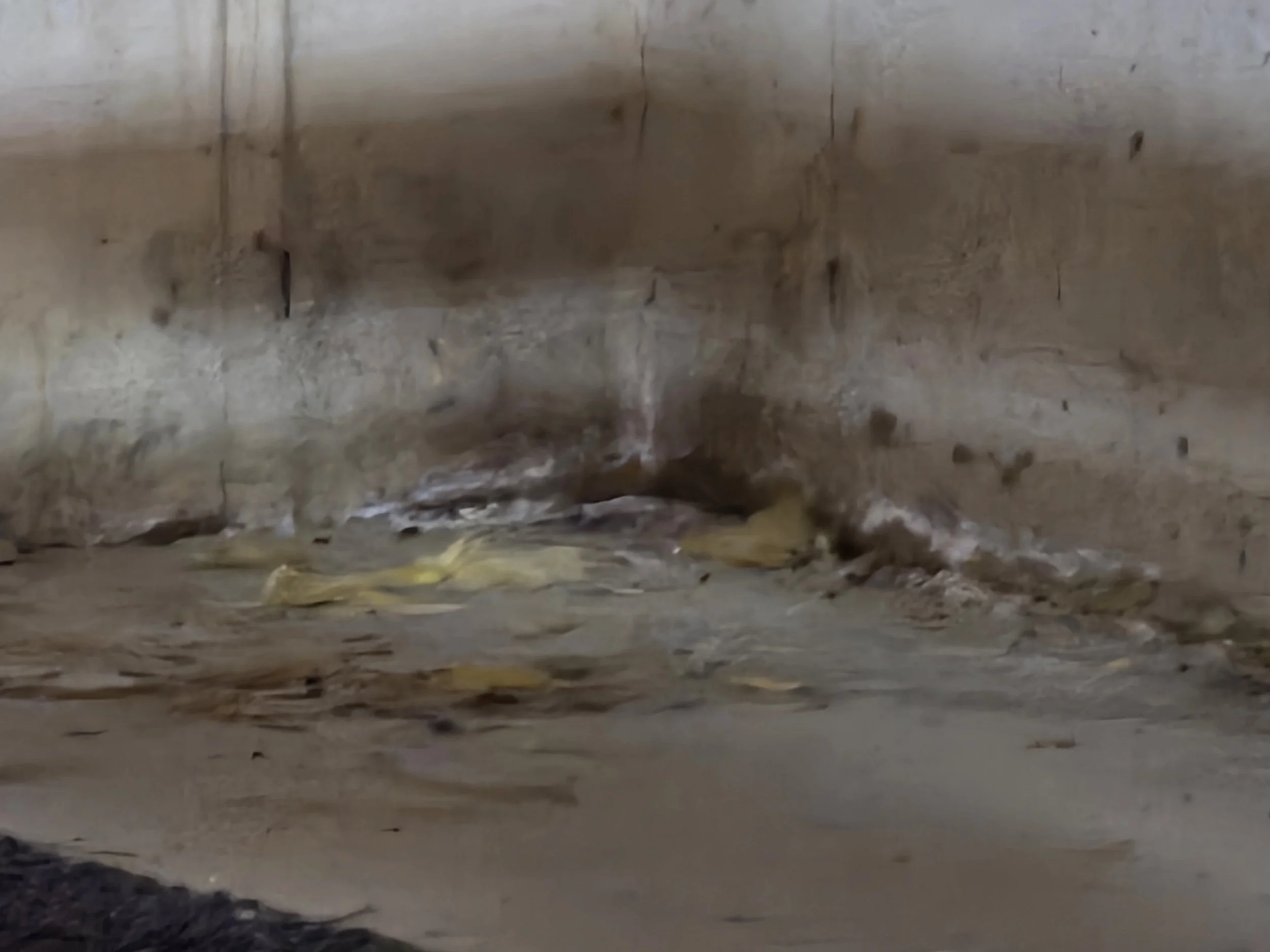
Musty odors, Efflorescence (white mineral deposits), Water stains and High indoor humidity
Some common warning signs include:
Musty odors
Efflorescence (white mineral deposits)
Water stains
High indoor humidity
Damaged baseboards or trim
Visible mold growth
Even a small amount of recurring moisture can eventually result in expensive repairs.
2. Foundation Cracks Hidden Behind Finished Walls
Not every foundation crack is a structural concern, but some can indicate settlement, movement, or water intrusion.
Once basement walls are covered with drywall, many of these cracks are no longer visible during everyday living.
A home inspection looks for clues that may indicate concealed foundation issues, including:
Uneven floors
Cracks in finished walls
Doors that don't close properly
Signs of movement elsewhere in the home
Major foundation repairs can cost thousands of dollars, making this one of the most important areas to evaluate before purchasing a home.
3. Mold Growth Behind Drywall
Mold doesn't require a flood to develop.
A slow plumbing leak, foundation seepage, or elevated humidity behind finished walls can create ideal conditions for mold growth. Because it's hidden from view, many homeowners don't realize there's a problem until they notice persistent odors or begin experiencing indoor air quality concerns.
When moisture is suspected, additional testing may be recommended to help determine whether elevated mold spores are present.
Preventing moisture is almost always less expensive than remediating mold after it has spread.
4. Concealed Plumbing Leaks
Finished basements often hide water supply lines, drain piping, and plumbing connections behind ceilings and walls.
Even a slow leak can cause:
Rotting wood
Damaged insulation
Mold growth
Ceiling damage
Flooring replacement
Many plumbing leaks remain unnoticed until significant damage has already occurred.
During a home inspection, visible plumbing components are evaluated for leaks, corrosion, and other signs of deterioration.
5. Unsafe Electrical or DIY Work
Many finished basements are completed years after the home was built.
Unfortunately, not every remodeling project was performed to modern building standards.
Common concerns include:
Exposed electrical splices
Improper wiring
Missing GFCI protection
Overloaded electrical circuits
Hidden junction boxes
Unpermitted renovations
These issues may create safety hazards and can become expensive to correct after moving into the home.
Why Finished Basements Deserve a Careful Inspection
One of the biggest misconceptions among homebuyers is that a beautifully finished basement means there are no underlying issues.
In reality, finished basements often conceal the very components that inspectors would otherwise be able to evaluate directly.
While no home inspection can see through finished walls, experienced inspectors know how to recognize subtle signs of moisture intrusion, structural movement, plumbing concerns, and other hidden problems based on the evidence that is visible.
How Foundation First Home Inspections Can Help
At Foundation First Home Inspections, every inspection includes a thorough evaluation of the basement, foundation, plumbing, electrical system, heating and cooling equipment, and other accessible components throughout the home.
To provide buyers with even greater peace of mind, I also offer advanced services including:
Sewer scope inspections
Infrared thermal imaging
Radon testing
Mold air sampling
Advanced combustion analysis
Drone roof inspections when appropriate
These additional services can help identify concerns that may not be obvious during a standard visual inspection alone.
Protect Your Investment Before You Buy
A finished basement should add comfort and value—not hide expensive surprises.
Whether you're purchasing a home in Algonquin, Lake in the Hills, Crystal Lake, Cary, Huntley, McHenry, Elgin, Barrington, West Dundee, or the surrounding northwest Chicago suburbs, a professional home inspection can provide valuable insight into the home's condition before closing.
The cost of a comprehensive inspection is small compared to the potential expense of discovering hidden moisture, structural issues, plumbing leaks, or unsafe electrical work after you've moved in.
Buying a home is one of the largest investments you'll ever make. A thorough inspection helps you move forward with confidence.